Practical know-how about vision sorting machines, defect detection and quality cost control.
Latest articles
From Our Vision Engineers
Written from real project experience in fastener, hardware, electronics and plastics factories.
2026-05-12
How To Choose A Vision Sorting Machine For Fasteners
Disc, multi-inlet or conveyor? The choice comes down to workpiece size, weight, required faces of inspection and target output.
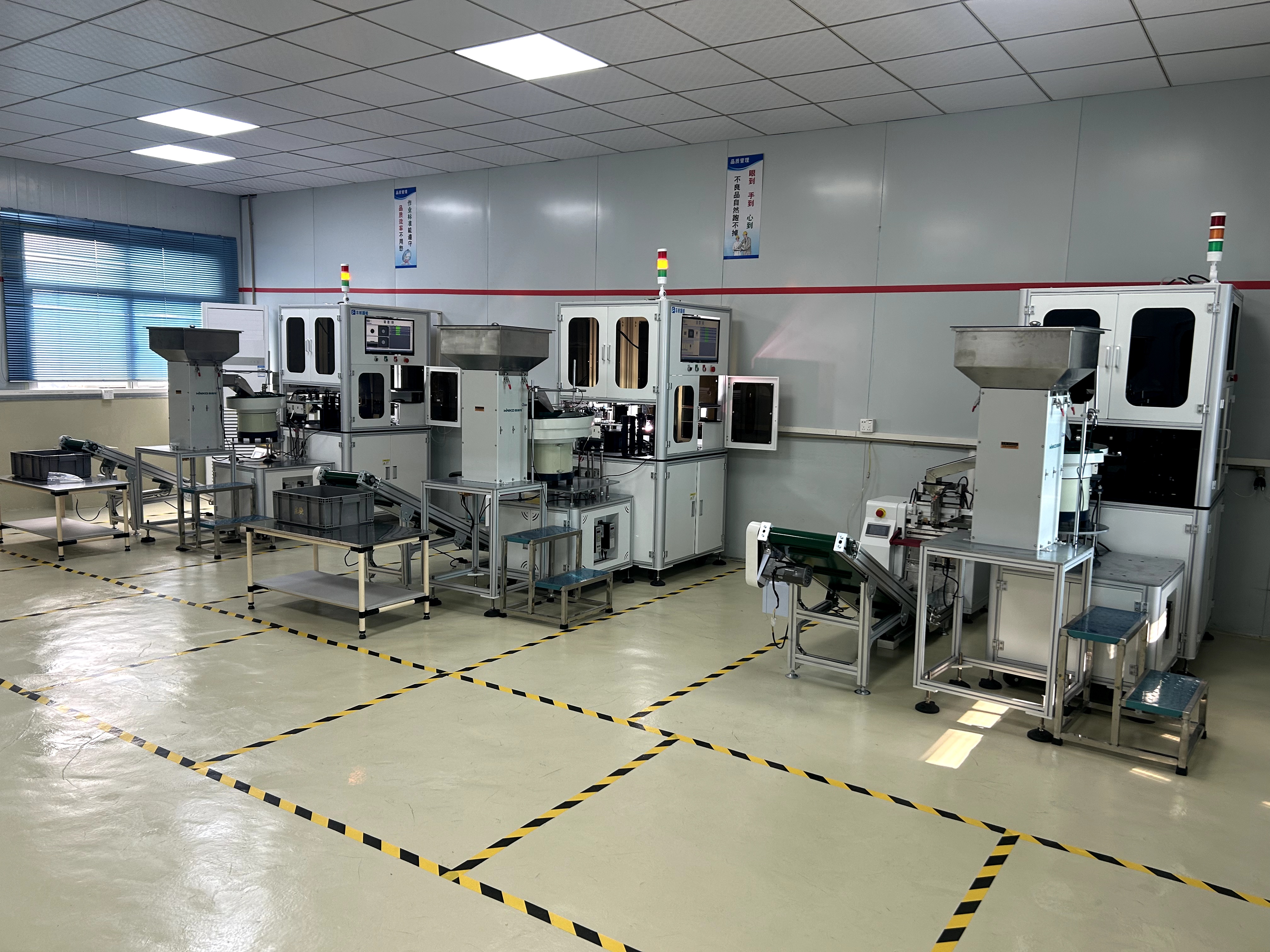
Start from the workpiece. Screws, nuts, washers and small stamped parts under 30mm run best on a glass rotary disc, where transparent transport lets cameras look at the top, bottom and side in one pass.
When the part is longer than the disc window, or when several part numbers must be screened at once, a multi-inlet platform gives multiple tracks and multi-surface imaging in a single machine.
Parts still attached to a stamping strip should never be de-reeled for inspection — an on-line strip inspection machine reads defects between punching and reeling, so scrap never reaches the next station.
Finally, match the output. A single-disc machine screens 300–1,200 pcs/min depending on part size; conveyor and multi-inlet machines reach up to 2,500 pcs/min.
Rule-Based CCD Vision vs AI Deep-Learning Inspection
Classic algorithms measure geometry reliably; deep learning is what catches inconsistent surface defects. Production machines need both.
Rule-based vision excels at dimensional work: thread pitch, head diameter, length, concentricity and hole position are measured against fixed tolerances with repeatability down to 0.005mm.
Appearance defects behave differently. Scratches, black spots, burrs, plating stains and chipping vary in shape and contrast, so a fixed threshold either over-rejects good parts or misses real defects.
Our machines run both engines in parallel: measurement logic decides pass/fail on dimensions, while the deep-learning model scores appearance and is retrained on your own reject images after installation.
Cutting Quality Cost: Replacing Manual Inspection With Automated Sorting
One sorting machine typically replaces 6–10 inspectors while raising the detection rate and producing traceable inspection data.
Manual visual inspection plateaus around 80–90% detection and degrades across a shift. Automated sorting holds a stable 99.9%+ pass judgement 24 hours a day.
Beyond labour, the saving comes from customer returns: catching mixed parts, missing threads and short length in your own plant avoids line-stop claims from the assembly customer.
Every machine logs counts by defect type, so quality engineers get daily Pareto data instead of a paper tally — the first step towards digital quality management.